


Remembering Willie Puckett: The New Orleans Bounce Legend Who Turned Dancing Into a Music Career

#NOLAZINE - New Orleans bounce music has always been powered by more than beats and lyrics. The culture was built through neighborhood dances, packed clubs, call-and-response chants and energetic performers who could transform an ordinary party into an unforgettable experience.
Willie Puckett Jr. represented every part of that culture. The New Orleans native became known as an exciting dancer before developing into a recording artist and respected figure within the city’s bounce-music community.
Puckett died on May 3, 2026, five days before what would have been his 51st birthday. Although his death brought sadness to the city, it also encouraged New Orleans music fans to revisit the impact he made during bounce music’s formative years.
Raised in New Orleans Culture
Born on May 8, 1975, Willie Puckett was raised in New Orleans’ 10th Ward and had strong connections to the former St. Thomas housing development. He later graduated from Alcee Fortier High School in 1994.
Those neighborhood connections remained an important part of his identity. Puckett came from an era when artists and dancers often built their reputations through local clubs, block parties, school events and community gatherings before ever releasing a record.
He was especially loved by his 10th Ward and Take Fo’ Records families, both of which played important roles in his life and career. Willie Puckett Jr.’s obituary
Becoming One of Bounce Music’s Most Exciting Dancers
Before establishing himself as a rapper, Puckett earned attention as an electrifying dancer.
He performed alongside DJ Jubilee and Da’ Sha Ra’, two important names from the early New Orleans bounce movement. His high-energy routines and mastery of the popular “trip out” dance helped make him a local celebrity.
During the 1990s, dancing was essential to bounce music’s identity. Artists frequently called out dancers by name, giving talented performers the opportunity to become neighborhood stars. Puckett possessed the personality, movement and stage presence needed to stand out inside crowded New Orleans clubs.
When people heard someone yell, “Go Willie Puckett,” they knew a show was about to begin.
Signing With Take Fo’ Records
Puckett eventually transformed his popularity as a dancer into a recording career with Take Fo’ Records.
Take Fo’ became one of the most important independent labels in New Orleans bounce history. Its roster included artists such as DJ Jubilee, Da’ Sha Ra’, Katey Red, K.C. Redd, 5th Ward Weebie, Choppa, Big Freedia and several other performers who helped carry the city’s sound forward.
In 1997, Willie Puckett released the Doggie Hopp EP. Its title track introduced another dance-driven anthem created specifically for New Orleans parties. The project showed that Puckett was capable of doing more than performing dance routines—he could use his voice and personality to lead the party himself.
“Doggie Hopp” became one of his signature recordings and remains part of the classic Take Fo’ catalog. Apple Music
Becoming the “Million Dollar Hot Boy”
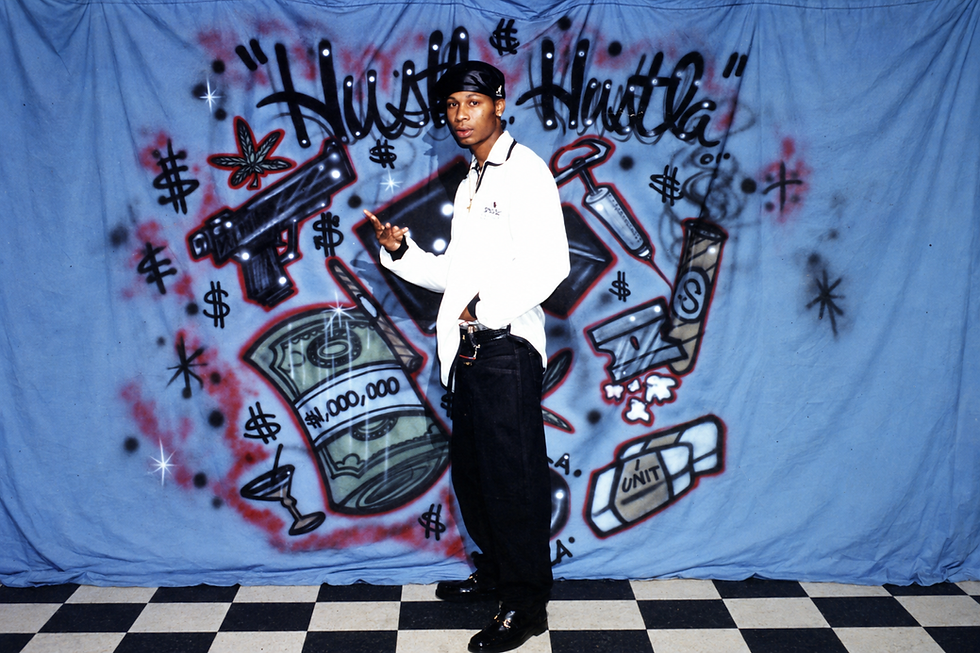
Puckett followed the EP with his 1998 album, Million Dollar Hot Boy. The 15-track project captured the raw, energetic sound of New Orleans bounce during the late 1990s.
The album featured appearances from DJ Jubilee, Big Ramp, K.C. Redd, Lisa Amos, Junie B, Young Villin and other members of the local music community. Its songs included “Million Dollar Hot Boy,” “Doggie Hopping,” “Tear It Down,” “Trigger Man” and “Hit Her With That Work.”
Although Puckett never released another full-length album, Million Dollar Hot Boy gave him a permanent place in the recorded history of New Orleans bounce. It preserved the chants, rhythms and neighborhood energy of a musical movement that was still largely overlooked by the national industry. The Good Ol’Dayz album archive
His Influence Extended Beyond His Discography
Willie Puckett’s importance cannot be measured only by the number of albums he released. He was part of an era when New Orleans bounce was experienced primarily in person.
An artist’s influence could be seen in the way a crowd responded when his name was called, the dances people copied and the memories created inside neighborhood clubs. Puckett helped connect the music to the movement that made it come alive.
His career also demonstrated how dancers could become recording artists and cultural personalities. Long before social media allowed dance trends to spread worldwide, Willie Puckett was helping popularize New Orleans dance moves one performance at a time.
He remained involved in the city’s entertainment scene for decades. In 2025, he appeared on the bounce-centered NOLA Live Cruise, showing that his connection to the culture continued long after his original recordings.
A New Orleans Original
Reports stated that Willie Puckett died at 50 after experiencing respiratory failure connected to cancer. Following the news, New Orleans artists and fans shared tributes recognizing him as a bounce legend, talented dancer and genuine representative of the city.
He was also a husband, father, grandfather, brother and friend whose importance extended far beyond music. His official obituary highlighted the large family and community he left behind.
Willie Puckett’s story belongs to the history of New Orleans bounce. He helped turn local dances into memorable performances, transformed his popularity into a recording career and represented Take Fo’ Records during an important period in the label’s development.
His catalog may have been limited, but his influence was not. Every time someone revisits “Doggie Hopp,” plays Million Dollar Hot Boy or shares an old video of him dancing beside DJ Jubilee, another generation gets an opportunity to witness his energy.
Willie Puckett was more than a rapper or dancer. He was a New Orleans original who helped make bounce music move.


Comments